
How to Register for Conditional Cash Transfer in Nigeria


How to Register for Conditional Cash Transfer in Nigeria: Everything you need to know about eligibility, the registration process, USSD codes, and how to get your ₦75,000 from the Federal Government’s social protection programme.
Millions of Nigerians are leaving money on the table not out of pride, but out of ignorance. The Federal Government’s Conditional Cash Transfer (CCT) programme is one of the most expansive social welfare initiatives in Nigeria’s history, with a target of reaching 15 million vulnerable households, yet many qualified beneficiaries have no idea how to access it.

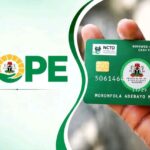

If you or someone you know is struggling with rising food costs, unemployment, or poverty and you want to know how to register for the Conditional Cash Transfer in Nigeria you have come to the right place. This article breaks down everything you need to know: what the programme is, who qualifies, how the registration process works step by step, how to check your status using USSD codes, and what to do if you face challenges.
Read on carefully this information could change your life.
What Is the Conditional Cash Transfer Programme in Nigeria?
The Conditional Cash Transfer (CCT) is a Federal Government initiative aimed at reducing poverty by providing direct cash payments to poor and vulnerable households, empowering them to meet basic needs and invest in health, education, and livelihoods. This programme is implemented by the National Cash Transfer Office (NCTO) under the supervision of the Federal Ministry of Humanitarian Affairs and Poverty Alleviation. GoldenNewsNG
The current and most active version of this programme runs under the banner of the Household Prosperity and Empowerment Cash Transfer (HOPE-CT) Programme, also referred to as the Renewed Hope Conditional Cash Transfer. Under the scheme, each eligible household receives a total of ₦75,000, disbursed in three tranches of ₦25,000. This structure ensures beneficiaries receive sustained assistance over time, helping them manage essential expenses such as food, transportation, and basic healthcare. Legit.ng
The programme is anchored on the National Social Register (NSR) and is designed to cushion the impact of ongoing economic reforms on low-income households while promoting financial inclusion and economic stability. It is being implemented in collaboration with key institutions including the National Identity Management Commission (NIMC), the National Social Safety Nets Coordinating Office (NASSCO), the National Cash Transfer Office (NCTO), and the National Social Investment Programme Agency (NSIPA). MSME Africa
This is not a small-scale programme. The initiative is partly financed by an $800 million facility from the International Development Association of the World Bank MSME Africa, placing it among the most credible and well-funded social protection programmes on the African continent.
Who Is Eligible for the CCT Programme?
Before you rush to register, it is important to understand who qualifies. The CCT is specifically designed for the most economically marginalised Nigerians. Poor and vulnerable households listed on the National Social Register (NSR) are eligible. GistReel
In practical terms, beneficiaries should meet the following conditions: the unbanked (those without bank accounts), those without social media accounts or smartphones, individuals lacking formal education, and the most economically disadvantaged members of society. GoldenNewsNG
Additionally, your family needs to be on the National Social Register (NSR), you must have a child younger than 18 or someone in the family who is pregnant, and you must live in a place where many people do not have much money. Euvat Action
It is also worth noting that the programme targets:
- Households living below the poverty line
- Families in rural and semi-urban underserved communities
- Households with no stable source of income
- Elderly-headed or female-headed households with dependants
- Families unable to afford basic healthcare, food, or school fees
If you fall into any of these categories, you may be eligible. The key gateway is the National Social Register (NSR) — the government’s master database of poor and vulnerable households across Nigeria.
A Critical Fact: There Is No Online Registration Portal
One of the most important things to understand before you begin is this: you cannot register for the CCT programme online. The official registration process is only done through government enumerators. Do not trust websites or forms that claim to be for CCT registration. GFDD
This is crucial because scammers have exploited public interest in the programme by creating fake registration websites and apps. The FG’s conditional cash transfer programme does not have an online portal either for registration or login. You have to apply in your community through specific steps. 9pay
Each area or ward has at least one official enumerator responsible for registering individuals for the CCT programme. Enumerators are not associated with any online platforms or apps; applicants should only trust the authorized personnel for the application process. GFDD
However, during special disbursement phases such as the 2023 palliative roll-out the government has occasionally opened temporary online portals. Online portals like the Tinubu Palliative Portal are opened during active phases of mass registration. Always verify any portal link through the official NCTO website at ncto.gov.ng or by calling the NCTO helpline.
Step-by-Step: How to Register for the Conditional Cash Transfer in Nigeria
Now that you understand the programme and eligibility, here is exactly how the registration process works.
Step 1: Community Mobilisation and Sensitisation
The registration process begins with community mobilisation: community leaders are sensitised on the goals of the CCT programme, and they help identify poor and vulnerable households through the Community-Based Targeting (CBT) method. GoldenNewsNG
This means that before individual registration happens, government officials visit communities and engage local leaders — traditional rulers, ward councillors, and community development association heads. These leaders are briefed on the programme’s objectives and asked to help identify genuinely vulnerable households.
If you live in a community and have not yet heard about the CCT, approach your community or village leader and ask whether your ward has been captured in the National Social Register. This is the first step toward accessing the programme.
Step 2: YESSO Initiates the Formal Process
The process is initiated by the Youth Employment and Social Support Operation (YESSO). Local representatives from YESSO communicate with community leaders. There’s then a gathering of the community to identify potential beneficiaries. Top Trends Nigeria
YESSO representatives set up designated registration centres within each Local Government Area (LGA). These centres are your official points of contact. Find out when YESSO is active in your LGA by visiting your local government office or asking your community leader.
Step 3: Attend the Community Registration Exercise
Once the YESSO-led community exercise is announced, attend the gathering in person. During this meeting, potential beneficiaries are identified, screened, and listed.
During your registration process, you will be required to provide personal information about yourself such as your name, state of origin, among other things. In addition to providing important details about yourself, the YESSO agent in charge of the registration process would capture your face and your identification card should you be among the successfully shortlisted applicants. Nigerian Finder
What to bring to the registration exercise:
- Valid means of identification (National ID card, voter’s card, or driver’s licence)
- Your National Identification Number (NIN)
- Bank Verification Number (BVN) if you have one
- Any household documentation (birth certificate of children, proof of residence)
Do not worry if you do not have a bank account. A wallet account will be created for you if needed.
Step 4: List Creation and Submission to NCTO
Once potential beneficiaries are identified, a list is created and sent to the National Cash Transfer Office (NCTO). The list will also be made available publicly for transparency. Top Trends Nigeria
This public display of the beneficiary list is an important accountability measure. It allows community members to verify the list, raise objections if unqualified people are included, or flag legitimate beneficiaries who may have been omitted.
Step 5: Digital Enrollment and Identity Verification
After the list is approved, qualified beneficiaries go through a digital enrollment process.
To enhance transparency and accountability, all beneficiaries must be captured in the National Social Register and verified using either a National Identification Number or Bank Verification Number. Punch
Beneficiaries are then digitally registered, and ID cards are provided for identification. Top Trends Nigeria At this stage, those without bank accounts are linked to mobile wallet accounts or debit cards for receiving their payments.
The government is working to simplify the disbursement process by linking beneficiaries to debit cards and personal bank accounts that receive funds directly from the Central Bank of Nigeria. Punch
Step 6: Receive Payments in Three Tranches
Once enrolled and verified, eligible beneficiaries begin receiving their payments. Each eligible household receives a total of ₦75,000, disbursed in three tranches of ₦25,000. This staggered approach helps households better manage essential expenses such as food, transportation, and basic healthcare, especially in the wake of inflationary pressures. Legit.ng
Payments are traceable and go directly into the beneficiary’s registered account or wallet. Every payment is now traceable to individual accounts, ensuring funds reach the intended recipients. ThisDayLive
How to Check Your CCT Beneficiary Status Using USSD Codes
If you believe you have been registered but are unsure of your status, or you want to verify whether your payment has been processed, you can use the government’s USSD code system.
Dial *969# on your mobile phone and follow the instructions to access your beneficiary information. The *969# code helps you check your payment status, report delays or issues with disbursements, and receive real-time updates on upcoming payments. GoldenNewsNG
The Nigeria CCT USSD Code is customised for each state. It enables beneficiaries to monitor their status and receive timely updates on cash transfers. The USSD Code also allows for immediate reporting of discrepancies or delays in the aid process. GFDD
Below are USSD codes for selected states. Note that these codes help verify your status, not apply to the programme: Top Trends Nigeria
| State/LGA | USSD Code |
|---|---|
| Abuja (FCT) | *969*67# |
| Katsina | *969*77# |
| Adamawa | *969*22# |
| Yobe | *969*12# |
| Maiduguri | *969*10# |
| Bayelsa (Yenagoa) | *969*31# |
| Akwa Ibom (Ikono LG) | *969*197# |
| Anambra East | *969*22# |
| Onitsha South | *969*23# |
| Sokoto (Shagari) | *969*244# |
| Jigawa (Hadejia) | *969*240# |
For your specific LGA’s USSD code, visit the official NCTO website at ncto.gov.ng or contact the NCTO directly.
How to Contact the National Cash Transfer Office (NCTO)
If you cannot find an enumerator in your area, or you have questions about your registration status, contact the NCTO directly:
- Phone: +234 813 8021 083
- Email:
- Website: ncto.gov.ng
You can also visit your nearest Local Government Area (LGA) office and ask for the Social Welfare or Humanitarian Affairs desk.
Important Warnings: Avoid These Common Scams
As the programme expands to 15 million households, scammers have become increasingly active. Protect yourself:
- Do not pay anyone to register you. The CCT registration is completely free. Any individual or group requesting payment for registration is a fraudster.
- Do not click on unofficial links. Caution is advised against fake websites and forms claiming to register beneficiaries online. The exclusive method of application is through authorised enumerators appointed by the Federal Government. GFDD
- Do not share your BVN or NIN with strangers. Only provide these details to official government enumerators during a formal, publicly announced registration exercise.
- Verify enumerators. Official enumerators carry government-issued identification and are assigned to specific wards. Ask to see their credentials before sharing any personal information.
Frequently Asked Questions (FAQs)
Q: Can I register for the CCT programme online? No. The FG’s conditional cash transfer programme does not have an online portal for registration. 9pay Registration is community-based and conducted by government-appointed enumerators.
Q: Do I need a bank account to receive the cash transfer? Not necessarily. A wallet bank account will be created for you if needed. GoldenNewsNG
Q: How much will I receive and when? Each eligible household receives a total of ₦75,000, disbursed in three tranches of ₦25,000. Legit.ng Payment timelines depend on your state and the phase of the programme.
Q: What if I was not captured during the community exercise? Contact your LGA social welfare office or call the NCTO on +234 813 8021 083. You may be included in subsequent registration phases.
Q: Is the programme still ongoing? The Federal Government has officially reviewed the beneficiary target upward from 10.4 million to 15 million vulnerable Nigerians Nigeria Startup News, meaning the programme is actively expanding and new beneficiaries are still being enrolled.
Conclusion
The Conditional Cash Transfer programme is one of the most significant financial lifelines available to vulnerable Nigerians today. With ₦688 billion already disbursed and a bold target of reaching 15 million households, the Federal Government has demonstrated serious intent to use direct cash transfers as a tool for poverty reduction.
However, the programme can only achieve its goals if eligible Nigerians know how to access it. The process is deliberately community-driven built around trust, local leadership, and digital accountability. It does not require an internet connection, a smartphone, or a bank account to get started. It requires only that you show up, provide accurate information, and stay alert to official government channels.
Stay connected to your community leaders, visit your LGA office regularly for updates, use the *969# USSD code to check your status, and contact the NCTO if you encounter any obstacles. The money exists. The framework is in place. The question is whether you will take the necessary steps to claim what is yours.


